The Story of Kole
*
The Story of Kole *
Kole began in 2023 as my graduate thesis project at the Rhode Island School of Design (RISD), born from a deeply personal question: What does it mean to reclaim play as a Black man? As a first-generation Nigerian American navigating dual cultural identities, I was drawn to building systems that reflected both my heritage and my inner child.
Rooted in West African architecture, D.C. urban landscapes, and childhood memory, Kole evolved into a modular building block system that blends art, design, and storytelling. What started as an exploration of form and function grew into something more—a tool for healing, dialogue, and joy. The name Kole, derived from the Yoruba word for “build,” speaks to the act of construction not just as play, but as a pathway to cultural preservation and community connection.
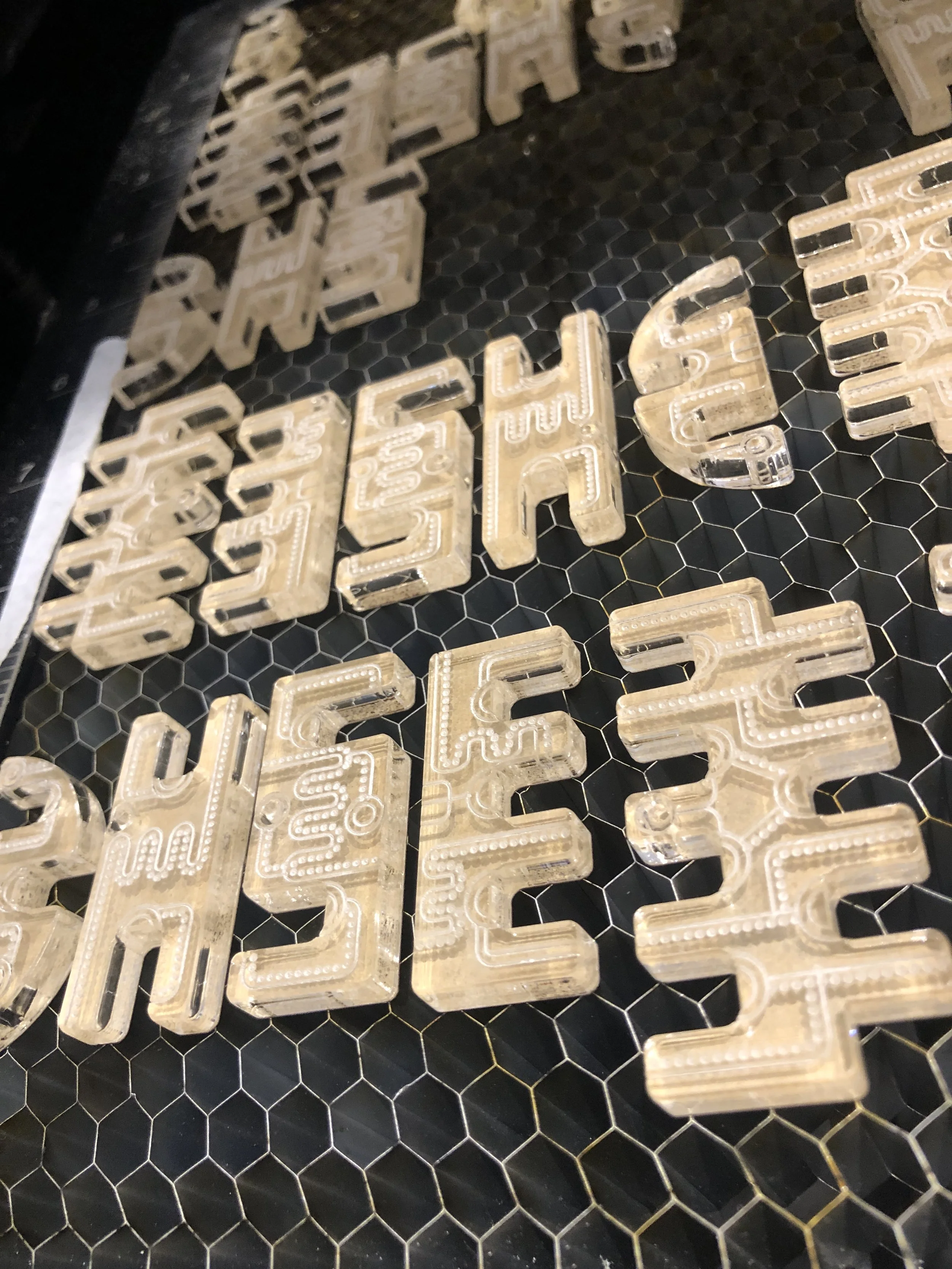
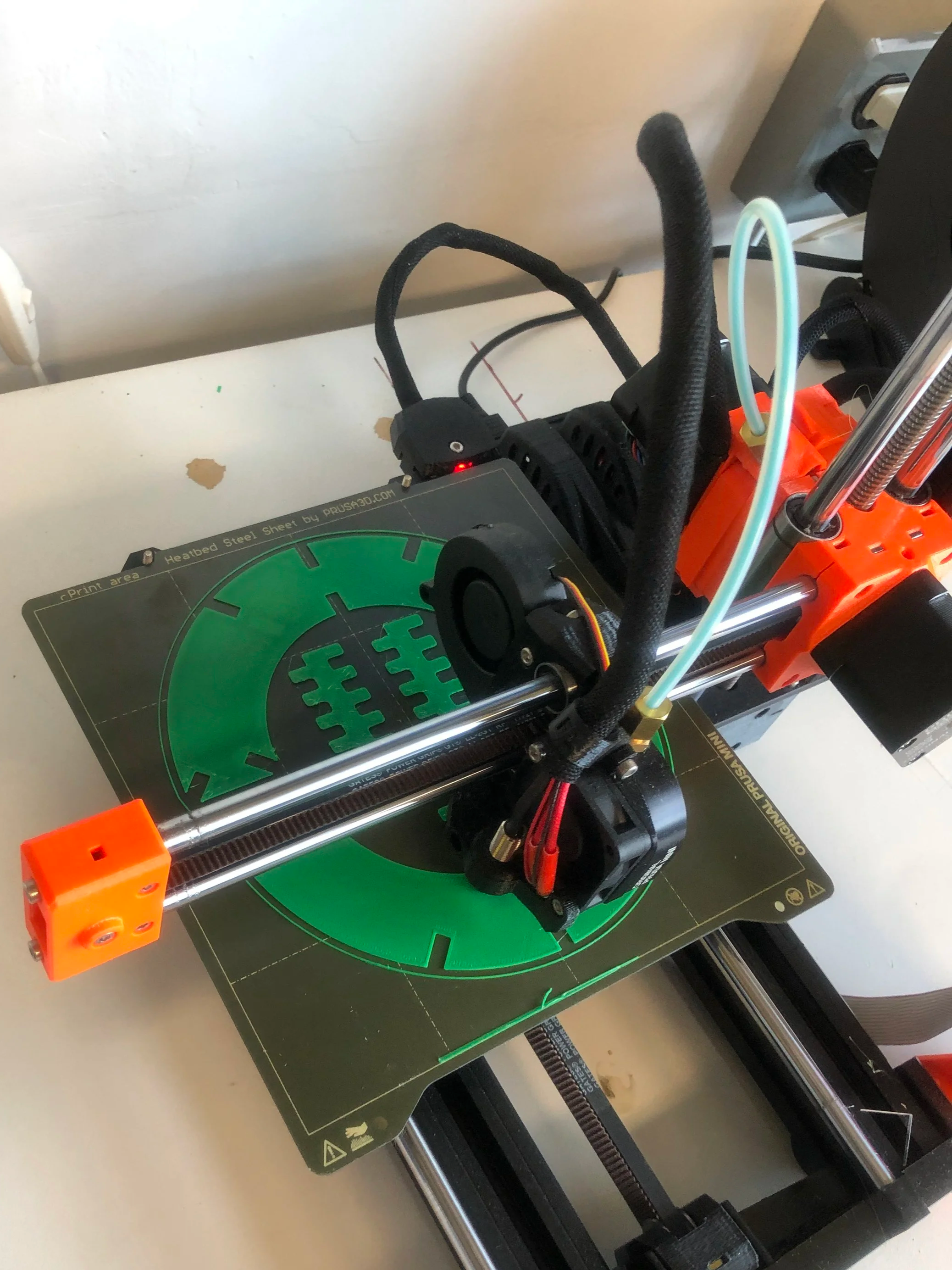
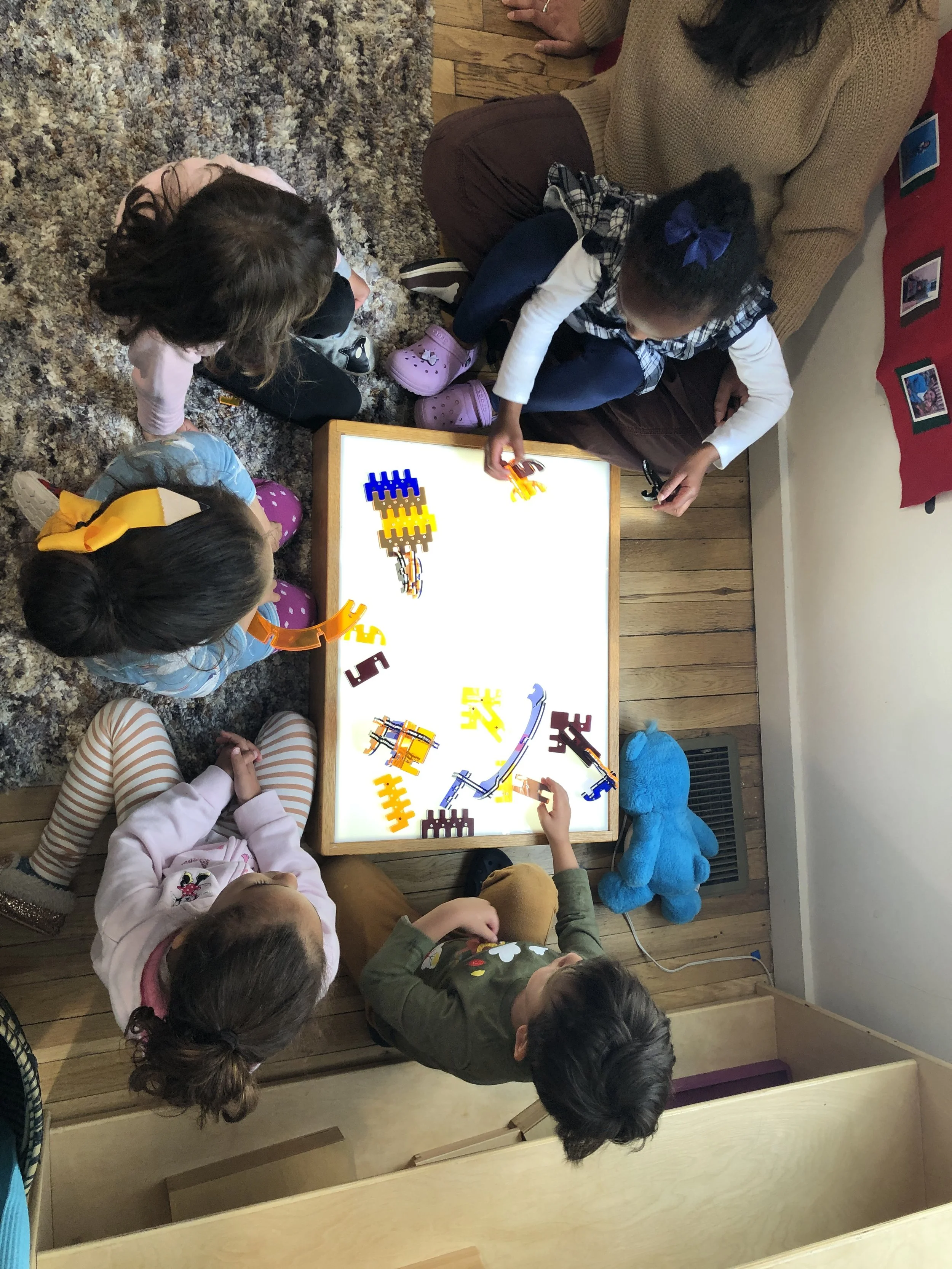
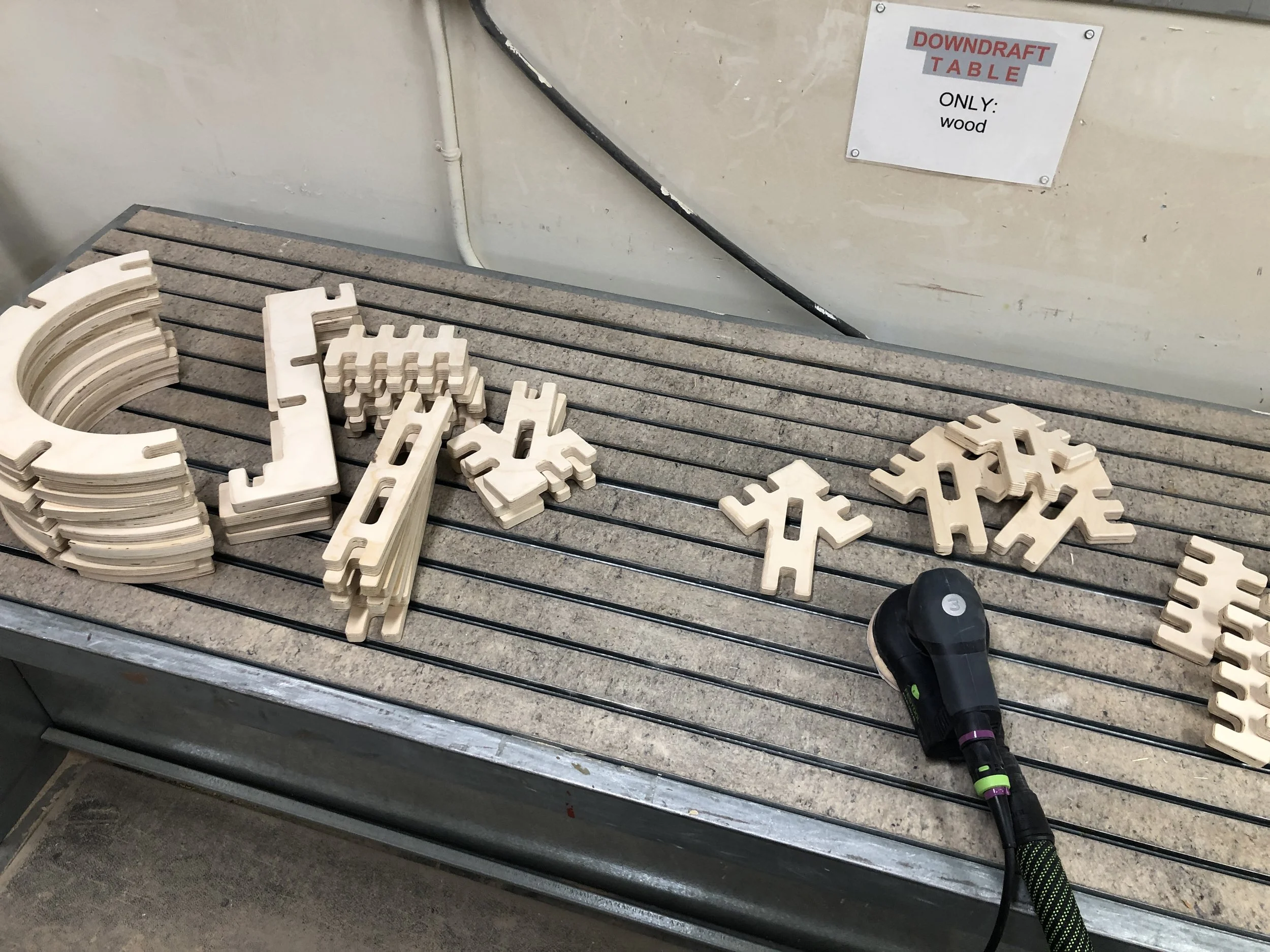
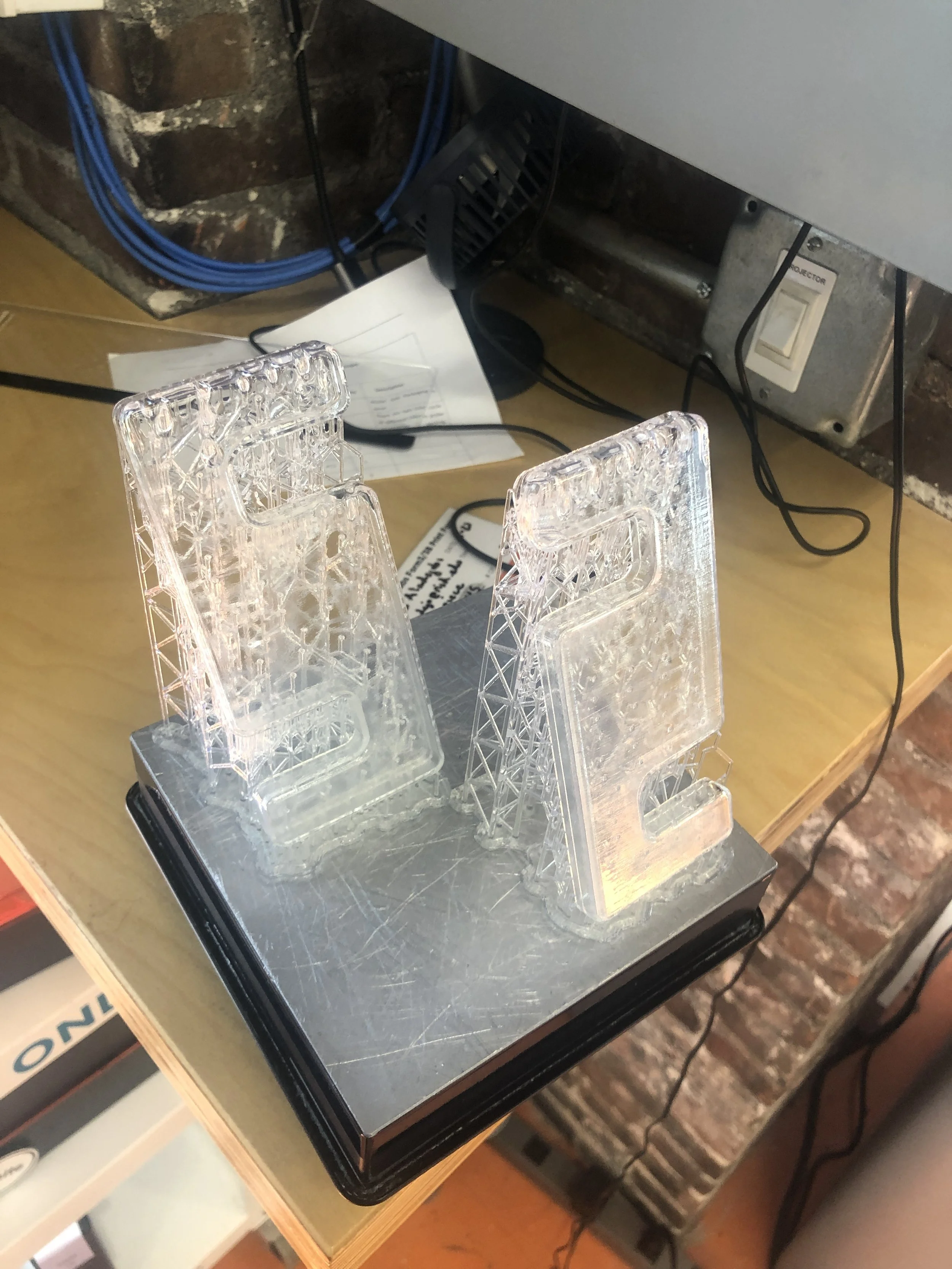
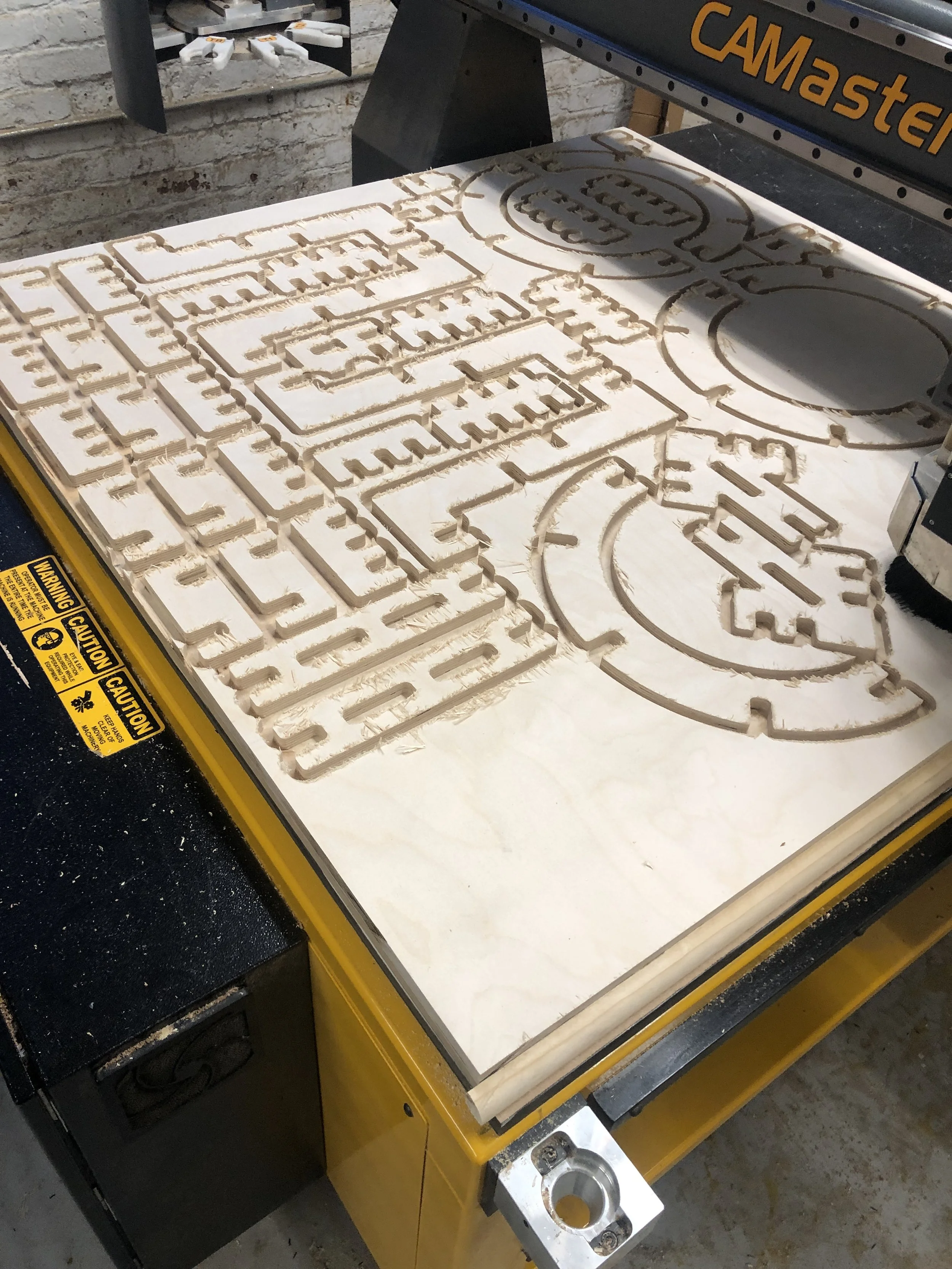
Originally developed using laser-cut wood, color theory, and participatory design methods, Kole quickly transitioned from a classroom prototype into a living project. It has since been featured in museum programs, public workshops, and exhibitions—including installations at the United Nations and Smithsonian-affiliated institutions.
Today, Kole continues to grow as both an educational platform and a cultural product, encouraging people of all ages to explore identity, emotion, and collaboration through the simple yet profound act of play.